
Augustine’s Last Seasons
Good Morning, MidnightThis flow traces Augustine’s physical decline alongside his changing relationship to the land, Iris, and the remaining time of his life.
increasing Bearing strength in each event
 decreasing
Bearing strength in each eventdecreasingAn Aging Body
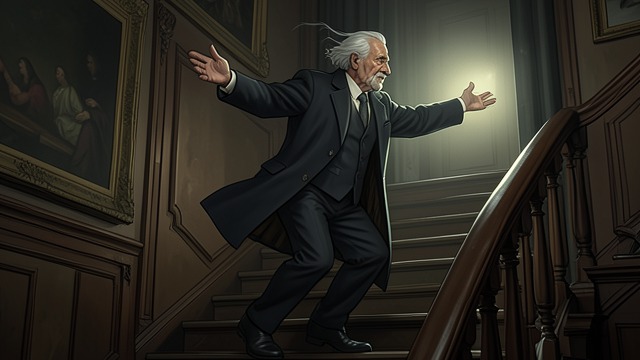
An Aging Body
Declining strength
At the Barbeau Observatory, Augustine notices that climbing stairs and walking outside take more effort each year. His body has begun to limit a life once organized around restless travel.
A planned ending
He regards the Arctic posting as the conclusion of his work and expects to die without anyone nearby. His acceptance is less peace than a familiar refusal to imagine another future.
The Fever’s Aftermath
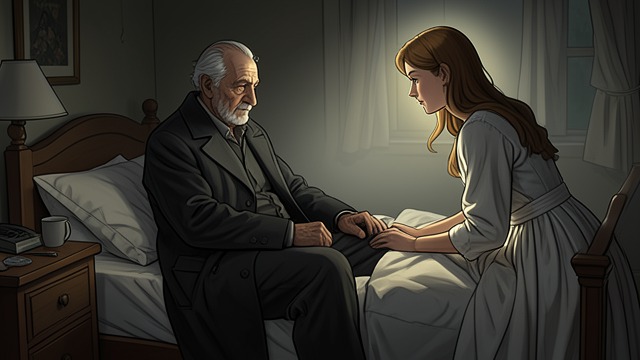
The Fever’s Aftermath
A narrow survival
Augustine wakes after several days of fever, weak but hungry, and discovers that Iris has stayed near him. His recovery makes survival feel newly vivid rather than automatic.
Emotional weight
The memories from the fever remain with him, including shame and regret. He resumes walking, but now physical effort accompanies a new willingness to feel what he has avoided.
Strength at the Lake
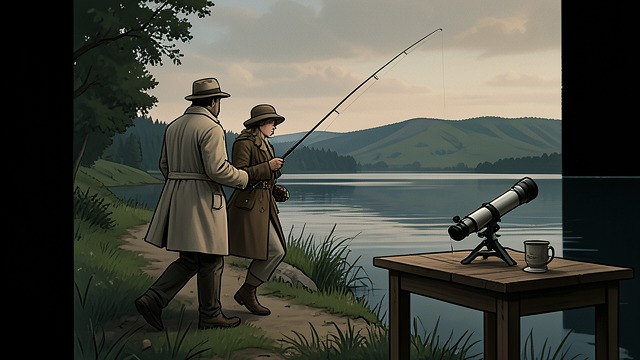
Strength at the Lake
Relief mistaken for recovery
The warmer, quieter setting makes Augustine feel stronger. He explores with Iris, cooks, fishes, and begins to enjoy activities unrelated to distant astronomical discoveries.
Limits remain
His declining health does not disappear with the improved conditions. He gradually accepts that comfort can make a life better without making it longer.
The Cold Returns
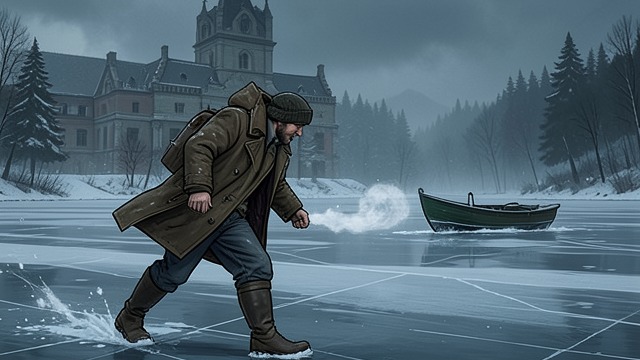
The Cold Returns
Retreat from activity
The weather cools, the lake freezes, and Augustine can no longer row the dinghy. Even the walk to the radio shed becomes an exhausting task.
Time measured by effort
He understands that the next polar night may be his last. Instead of leaving the camp or denying his weakness, he reserves his limited strength for the work that matters to him.
The Final Vigil
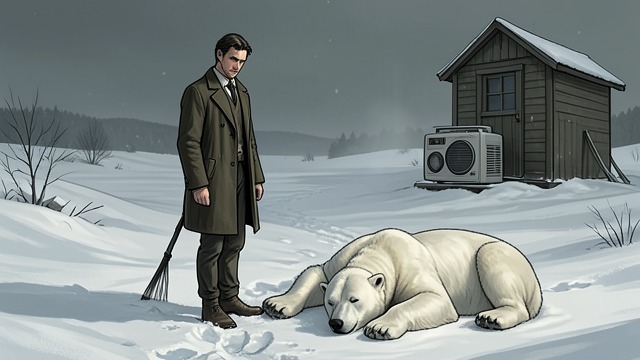
The Final Vigil
A body near its end
Illness leaves Augustine weak and uncertain whether Iris is present or part of his fevered dreams. He nevertheless dresses and struggles toward the radio shed, hoping to speak with Sully again.
A last companionship
He finds the polar bear dying in the snow and stays with it rather than continuing to the radio. His final choice is one of presence: warmth, touch, and a shared silence.
At the opening of the novel
After five days of illness
During the first summer at Lake Hazen
As autumn advances at Lake Hazen
During the polar night at Lake Hazen
